Welcome to S&L Group Limited Official Website


27
2025
-
04
Innovative Design Elements in Vertical Blender with CIP for Seamless Operations
Innovative Design Elements in Vertical Blender with CIP for Seamless Operations
Introduction to Vertical Blenders and CIP Technology
In the world of manufacturing, efficiency, and cleanliness are paramount. Vertical blenders with Clean-In-Place (CIP) systems are revolutionizing the way industries handle mixing and sanitation processes. These cutting-edge machines not only enhance operational efficiency but also ensure that products meet high-quality standards. As we explore the innovative design elements of these vertical blenders, we will uncover their numerous benefits and applications across various sectors.
Understanding Clean-In-Place (CIP) Technology
Clean-In-Place technology is a critical advancement in the design of vertical blenders. The CIP system allows for the automatic cleaning of equipment without the need for disassembly. This feature is especially valuable in industries such as food and beverage, pharmaceuticals, and cosmetics, where hygiene is vital.
The Advantages of CIP in Vertical Blenders
Implementing a CIP system in vertical blenders offers numerous advantages:
- Time Efficiency: The automated cleaning process significantly reduces downtime between batches.
- Resource Conservation: CIP systems utilize less water and cleaning agents compared to traditional cleaning methods.
- Consistency: Ensures uniform cleaning, minimizing the risk of cross-contamination.
- Labor Savings: Reduces the need for manual cleaning, allowing staff to focus on more critical tasks.
Key Innovative Design Features of Vertical Blenders
The integration of innovative design elements in vertical blenders enhances their overall functionality and effectiveness. Below are some of the key features that set these machines apart.
1. Advanced Mixing Mechanisms
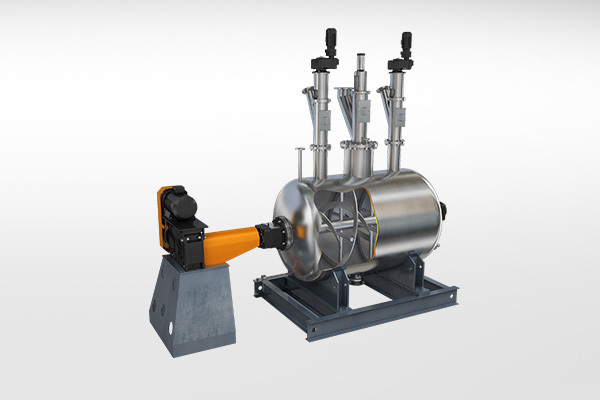
Vertical blenders are equipped with sophisticated mixing mechanisms that ensure a homogeneous blend of materials. The design often includes:
- Multi-Agitator Systems: Utilizing multiple agitators allows for better mixing of various densities and viscosities.
- Variable Speed Controls: Adjusting the speed of the blend optimizes the mixing process for different materials.
2. Ergonomic Design and Accessibility
Modern vertical blenders prioritize user experience and maintenance ease. Features include:
- Accessible Controls: User-friendly interfaces facilitate easy monitoring and operation.
- Designed for Maintenance: Components are easily accessible, minimizing downtime for repairs and cleaning.
3. Enhanced Safety Features
Safety is a critical consideration in the design of vertical blenders. Innovations such as:
- Safety Interlocks: Prevent operation while the machine is being serviced.
- Automated Sensors: Monitor temperature and pressure to ensure safe operational limits.
Applications of Vertical Blenders with CIP Systems
Vertical blenders find applications across multiple industries. The integration of CIP systems enhances their versatility. Here are several key sectors where these machines shine:
Food and Beverage Industry
In food manufacturing, maintaining hygiene is crucial. Vertical blenders with CIP systems facilitate:
- Seamless Mixing: Ingredients can be blended without cross-contamination.
- Efficiency: Quick turnaround between different products while ensuring cleanliness.
Chemical Processing
The chemical industry greatly benefits from the efficiency of vertical blenders. The CIP system allows for:
- Safe Handling: Reduces the risk of chemical residue affecting subsequent batches.
- Consistent Quality: Ensures that the final product meets stringent standards.
Pharmaceutical Applications
In pharmaceuticals, precision and cleanliness are non-negotiable. Vertical blenders help ensure:
- Regulatory Compliance: Meets strict FDA regulations regarding cleanliness.
- Batch Consistency: Guarantees uniformity in drug formulation.
Benefits of Investing in Innovative Vertical Blenders
Investing in advanced vertical blenders equipped with CIP systems offers businesses numerous advantages, enhancing productivity and ensuring product quality.
1. Increased Productivity
With reduced cleaning times and enhanced mixing efficiency, companies can produce more in less time.
2. Cost Savings
Over time, the efficiency of these machines leads to significant cost savings in both labor and materials.
3. Improved Product Quality
Consistent mixing and optimal cleaning cycles guarantee high-quality products that meet industry standards.
Challenges in Implementing Vertical Blenders with CIP
While the benefits are significant, there are challenges to consider when implementing these systems:
1. Initial Investment Costs
The upfront cost of acquiring advanced vertical blenders can be high. However, the long-term savings often justify the investment.
2. Training Requirements
Staff training is essential to maximize the use of advanced features and ensure safe operation.
Future Trends in Vertical Blender Technology
As technology evolves, so will the design and functionality of vertical blenders. Future trends to watch include:
1. Automation and Smart Technology
Integration with IoT for real-time monitoring and predictive maintenance will become increasingly common.
2. Sustainability Features
Future designs may focus on reducing energy consumption and improving water usage efficiency.
Conclusion
In conclusion, innovative design elements in vertical blenders with CIP systems provide seamless operations that enhance efficiency, safety, and product quality across various industries. Investing in these advanced machines not only streamlines manufacturing processes but also ensures compliance with hygiene and safety standards. As the industry continues to evolve, vertical blenders will play a critical role in shaping the future of manufacturing.
Frequently Asked Questions (FAQs)
1. What is a vertical blender with CIP?
A vertical blender with CIP technology is a mixing machine designed to automatically clean itself without disassembly, ensuring hygiene and efficiency in manufacturing processes.
2. How does CIP technology improve cleaning efficiency?
CIP technology automates the cleaning process, significantly reducing downtime and ensuring consistent cleaning results compared to manual methods.
3. In which industries are vertical blenders commonly used?
Vertical blenders are widely used in the food and beverage, pharmaceuticals, and chemical processing industries.
4. What are the benefits of using a vertical blender in food production?
Benefits include enhanced mixing efficiency, reduced cleaning time, and improved product quality, all while ensuring compliance with hygiene standards.
5. Are there any challenges in implementing vertical blenders with CIP systems?
Challenges include higher initial costs and the need for comprehensive staff training to operate the advanced machinery effectively.
By focusing on innovative design elements and the benefits of CIP technology, vertical blenders are set to become indispensable tools in modern manufacturing environments.
Keyword:
Vertical Blender with CIP


FOLLOW US ON
Address:
No. 299, Delixi Rd, Nanxiang Industrial Development Zone, Shanghai, 201802, China