Welcome to S&L Group Limited Official Website


11
2025
-
05
Streamlining Production: Unleashing the Power of Vertical Blenders with CIP Integration
Streamlining Production: Benefits of Vertical Blender with CIP Integration
Table of Contents
- Introduction to Vertical Blenders and CIP Systems
- Understanding Vertical Blenders
- What is CIP Integration?
- Benefits of CIP Integration with Vertical Blenders
- Challenges and Considerations in CIP Integration
- Real-World Case Studies
- The Future of Vertical Blenders with CIP Integration
- Conclusion
- Frequently Asked Questions
Introduction to Vertical Blenders and CIP Systems
The manufacturing sector is perpetually evolving, driven by the need for enhanced efficiency and productivity. One innovation gaining traction is the integration of **vertical blenders** with **Clean-in-Place (CIP)** systems. This combination not only optimizes mixing processes but also revolutionizes cleaning protocols, making production lines more efficient and sustainable.
Understanding Vertical Blenders
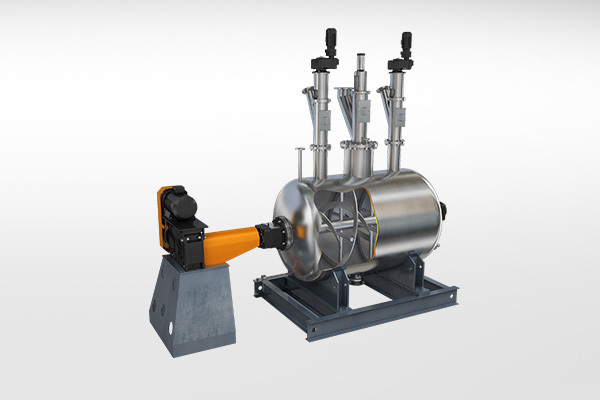
Vertical blenders are sophisticated machines designed for the mixing of powders, granules, and other bulk materials. Their vertical orientation allows for a unique mixing action that is efficient and effective.
Mechanics of Vertical Blenders
Vertical blenders operate by utilizing gravity to aid in the mixing process. The design typically features a tapered bottom, allowing materials to flow seamlessly downward during mixing. This method can significantly reduce the time and energy required for blending.
Key components include:
- **Mixing Chamber**: Where the blending occurs, designed for optimal material flow.
- **Agitator**: A rotating element that ensures thorough mixing.
- **Discharge Valve**: Allows for easy removal of the finished product.
Applications of Vertical Blenders in Various Industries
These machines find applications across numerous sectors, including:
- **Food and Beverage**: For blending ingredients in efficient food production.
- **Pharmaceuticals**: To ensure uniformity in drug formulations.
- **Chemical Processing**: In the mixing of various chemical compounds.
Each of these industries benefits from the precise mixing capabilities of vertical blenders, ensuring consistency and quality in their products.
What is CIP Integration?
CIP refers to a cleaning process used in manufacturing facilities to keep equipment sanitized without disassembly. The integration of CIP systems into production lines offers a streamlined approach to cleaning, enhancing safety and efficiency while minimizing downtime.
Key features of CIP systems include:
- **Automated Cleaning**: Reducing the need for manual labor.
- **Consistent Results**: Ensuring a standard level of cleanliness across all equipment.
- **Reduced Water and Chemical Use**: By optimizing cleaning cycles to be more effective.
Benefits of CIP Integration with Vertical Blenders
Combining vertical blenders with CIP integration provides a multitude of advantages that enhance production workflows.
Enhanced Cleaning Efficiency
The primary benefit of CIP systems is the **enhanced cleaning efficiency** they offer. Automated cleaning processes ensure that the blenders are sanitized quickly and thoroughly, reducing contamination risks and ensuring compliance with industry standards.
Time and Labor Savings
Integrating CIP eliminates the time-consuming process of manually cleaning equipment. This not only frees up labor resources but also significantly reduces production downtime, increasing overall output and efficiency.
Improved Product Quality and Safety
With automated cleaning processes, the risk of cross-contamination between batches is minimized. This leads to **improved product quality**, ensuring that each blend meets the necessary safety and quality standards. In industries like pharmaceuticals and food production, this is crucial for consumer safety.
Sustainability and Cost-Effectiveness
CIP systems are designed to be resource-efficient, utilizing less water and cleaning agents compared to traditional cleaning methods. This not only reduces costs but also supports sustainability initiatives, aligning production processes with eco-friendly practices.
Challenges and Considerations in CIP Integration
While the benefits of integrating CIP with vertical blenders are substantial, there are challenges to consider. These include:
- **Initial Investment Costs**: The upfront costs of installing CIP systems can be significant.
- **Training Requirements**: Staff may need training to effectively operate and maintain new systems.
- **Space Limitations**: Manufacturers must consider space for CIP components in their existing facilities.
Despite these challenges, the long-term benefits often outweigh the initial hurdles, making CIP integration a worthy investment.
Real-World Case Studies
Several companies have successfully implemented vertical blenders with CIP systems, showcasing the effectiveness of this combination.
**Case Study 1: Food Processing Company**
A leading food processing company integrated CIP with their vertical blenders, reducing cleaning time by 50%. This allowed them to increase production cycles and enhance overall efficiency.
**Case Study 2: Pharmaceutical Manufacturer**
A pharmaceutical manufacturer adopted vertical blenders with CIP integration to comply with stringent regulatory standards. They reported a significant reduction in product recalls due to contamination issues.
The Future of Vertical Blenders with CIP Integration
The future looks promising for vertical blenders equipped with CIP systems. As technology advances, we expect further innovations that will enhance the efficiency and effectiveness of these systems. Automation, real-time monitoring, and data analytics will likely play pivotal roles in the evolution of production processes.
Conclusion
In summary, the integration of Clean-in-Place systems with vertical blenders represents a significant advancement in manufacturing technology. This combination not only streamlines production processes but also enhances cleaning efficiency, improves product quality, and supports sustainability. As industries continue to evolve, the integration of these technologies will become increasingly important in achieving operational excellence.
Frequently Asked Questions
1. What are the main advantages of vertical blenders with CIP integration?
The primary advantages include enhanced cleaning efficiency, time and labor savings, improved product quality, and sustainability.
2. How does CIP cleaning compare to traditional cleaning methods?
CIP cleaning is automated, reducing manual labor and cleaning time, while ensuring consistent results and minimizing water and chemical usage.
3. What industries benefit most from vertical blenders with CIP integration?
Primarily food and beverage, pharmaceuticals, and chemical processing industries benefit significantly from this technology.
4. Are there challenges to implementing CIP systems?
Yes, challenges include initial investment costs, training requirements for staff, and potential space limitations in existing facilities.
5. How can companies measure the effectiveness of their CIP systems?
Companies can measure effectiveness through monitoring cleaning times, analyzing contamination rates, and evaluating overall production efficiency pre- and post-implementation.
Keyword:
Vertical Blender with CIP


FOLLOW US ON
Address:
No. 299, Delixi Rd, Nanxiang Industrial Development Zone, Shanghai, 201802, China